
Planning an outdoor event, whether it is a wedding, a company picnic, or a neighborhood festival, often means focusing on the fun details like food, music, and decor. But beneath the surface of every gathering on grass, gravel, or pavement sits a web of safety and legal responsibilities that most hosts never consider until something goes wrong. A single uneven walkway, a poorly maintained generator, or an overcrowded restroom line can turn a celebration into a costly legal headache. Understanding where these hidden risks hide is the best way to protect your guests, your budget, and your peace of mind.
Uneven Ground and Walking Surfaces
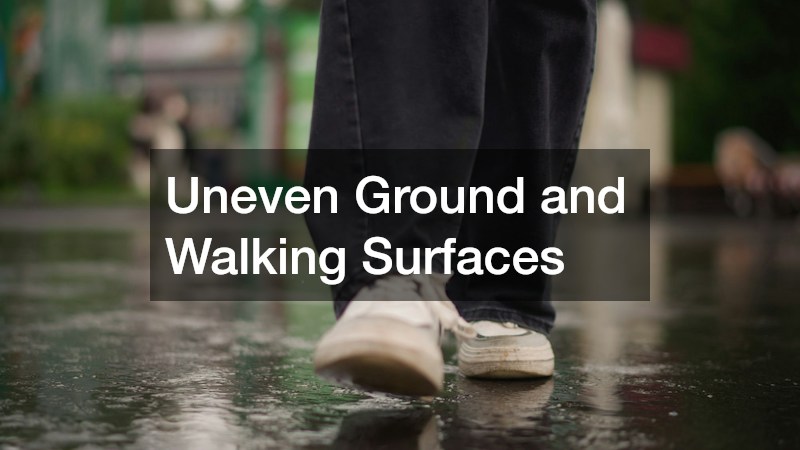
Outdoor venues rarely offer the same flat, predictable flooring you get indoors. Grass hides divots and sprinkler heads, gravel shifts underfoot, and temporary flooring or decking can warp or buckle after a single rainstorm. Even a well-maintained park or garden can have exposed tree roots, sloped lawns, or soft patches that turn into mud traps once a few hundred guests start walking across them. Tents and canopies add another layer of risk. Stakes and anchor lines are easy to trip over, especially once it gets dark or the ground cover makes them hard to see, and cables run for lighting or sound equipment often cross high-traffic walkways.
Event hosts are often surprised to learn that they can be held responsible for injuries that happen on ground they do not even own, simply because they organized the gathering there. Courts frequently look at whether the organizer knew about a hazard, or should have reasonably known about it, and failed to warn guests or fix the problem. A quick pre-event walkthrough, photos of problem areas, and simple fixes like matting over cables, warning signs near uneven patches, or portable lighting along pathways can go a long way toward reducing both the risk of an accident and the liability that follows one.
Lighting matters just as much as the surface itself, since guests walking after dark are far more likely to trip over cords, stakes, tent weights, or curbs they cannot see. A string of patio lights overhead might look charming, but it does little to illuminate the ground where the actual hazards are. Pathway-level lighting, such as stake lights, lanterns, or LED markers spaced every few feet, does far more to prevent falls than ambient overhead glow. Extension cords and cables deserve special attention, since they’re often the single biggest tripping hazard at outdoor events.
Running cords along fence lines or taping them flat with high-visibility cord covers, rather than letting them cross walkways, removes one of the easiest claims to prevent. Any cord that must cross a path should be covered with a bright ramp cover and flagged, not just taped down. Marking hazards clearly — with cones, reflective tape, or even simple signage — is a simple step that prevents a surprising number of claims. This matters most at transition points: the edge of a tent, a single step down to a patio, or a curb between a parking area and the event space. These small elevation changes are easy to overlook during setup but are exactly where guests, especially those carrying food or drinks, tend to lose their footing once the sun goes down.
- Walk the entire venue yourself at least 2-3 hours before guests arrive, checking for holes, roots, loose pavers, and soft or muddy patches
- Re-check the walkway after setup, since tents, tables, and vendor equipment often create new obstacles or block emergency exits
- Use bright tape or cones to flag uneven transitions between surfaces, like grass-to-pavement or gravel-to-deck edges
- Add portable lighting along walkways, parking areas, stairs, and exits, aiming for consistent coverage rather than scattered bright spots
- Secure cords and cables with rubber covers or mats rather than leaving them exposed, especially across high-traffic paths
- Keep a basic repair kit on-site (sand, gravel, or plywood) to quickly patch small holes or level temporary dips
Sanitation Stations and Guest Flow
Restrooms are one of the most overlooked liability sources at outdoor events, yet they generate a disproportionate number of complaints and incidents. Long lines can lead to guests wandering into unsafe areas, while poorly placed units can create slick, muddy approaches that increase fall risk. Many experienced event planners now arrange a restroom trailer rental well in advance specifically because it offers better lighting, sturdier flooring, and a more controlled guest experience than standard portable units.
Placement is just as important as the equipment itself. Restroom facilities should sit on level, stable ground with a clear path that avoids low spots where water collects after rain. Thinking through guest flow in advance reduces congestion and keeps foot traffic predictable throughout the event.
- Position restrooms away from food service to avoid cross traffic bottlenecks
- Choose a flat, well-drained spot rather than the lowest point of the property
- Provide handwashing stations near food and restroom areas alike
- Plan for one facility per roughly fifty guests at longer events
Weather Contingencies and Shelter Planning
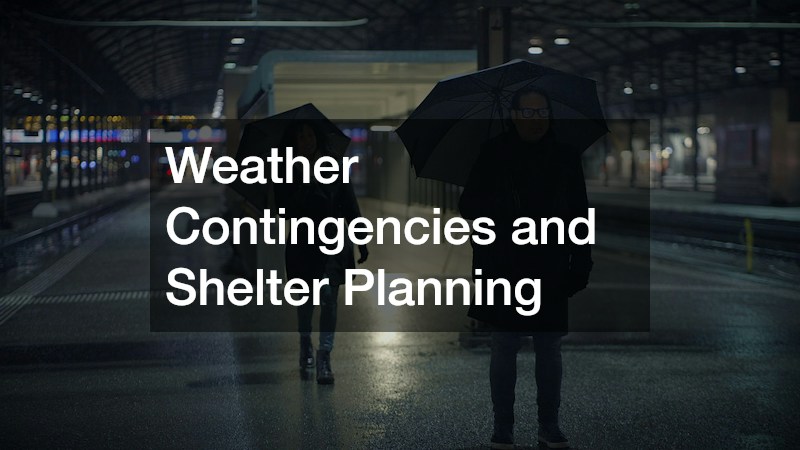
Sudden wind, rain, or heat can turn a pleasant outdoor gathering into a genuine safety concern within minutes. Tents and canopies that are not properly anchored can become airborne hazards, and heat-related illness is a real risk for events that run through the hottest part of the day. A documented weather plan shows guests and vendors that safety was taken seriously, which matters if an incident is ever questioned later.
Having a clear threshold for when an event pauses or relocates removes guesswork in the moment. Staff and volunteers should know exactly who makes that call and how guests will be notified.
- Monitor forecasts starting 48 hours before the event and again the morning of
- Identify an indoor or covered backup location in advance
- Anchor all tents and structures with weighted bases or stakes rated for wind
- Stock extra water and shade options during high heat
Crowd Control and Emergency Access
Even a modest gathering needs a plan for how people move in and emergencies get handled. Blocked fire lanes, narrow gates, and single-entry layouts can turn a minor incident into a dangerous bottleneck. Event organizers should map out exactly how an ambulance or fire truck would reach the center of the venue if needed.
- Keep at least one clear lane wide enough for emergency vehicles at all times
- Post visible signage pointing toward exits and first aid stations
- Assign a staff member or volunteer to monitor capacity at entrances
- Share the emergency plan with vendors and security ahead of time
Equipment, Rentals, and Temporary Structures
Stages, bleachers, inflatable attractions, and rented furniture all carry their own installation requirements, and skipping proper setup is a common source of injury at outdoor events. Anyone hiring a crew to build a temporary stage or install heavy equipment should confirm the company carries its own insurance and follows manufacturer guidelines for anchoring and weight limits. When larger structures are involved, it is worth remembering that the same issues a construction accident lawyer sees on job sites, like unsecured scaffolding or overloaded platforms, can show up just as easily at a festival or fair.
Inspection does not end once the equipment is up. Items should be checked again before doors open to guests, since wind, shifting ground, or last-minute adjustments can loosen connections.
- Request proof of insurance and inspection records from rental companies
- Confirm weight and capacity limits before allowing guests on stages or platforms
- Reinspect all structures the morning of the event, not just during setup
- Keep manufacturer manuals on-site in case questions arise during the event

Vendor Agreements and Insurance Coverage
Food trucks, bands, decorators, and rental companies each bring their own equipment and risks onto the property, and a verbal handshake agreement rarely protects anyone when something goes wrong. Written contracts should spell out who carries insurance, who is responsible for their own equipment, and what happens if a vendor causes damage or injury. This paperwork becomes critical if a dispute ever needs review by personal injury lawyers trying to determine which party bears responsibility for a specific incident.
It also helps to request a certificate of insurance from every vendor before the event, not after. This simple step confirms coverage actually exists rather than relying on a vendor’s word.
- Collect certificates of insurance from every vendor in advance
- Clarify in writing who is liable for their own equipment and staff
- Confirm whether your event insurance extends to vendor-caused incidents
- Keep copies of all signed agreements accessible during the event
Legal Steps After an Injury Occurs
Despite the best planning, injuries still happen, and knowing the right response can make a significant difference in how a situation resolves. Documenting the scene immediately, gathering witness contact information, and keeping incident reports consistent are all steps that protect both the injured guest and the event host. Many hosts do not realize that reviewing their insurance policy and local liability laws early can clarify what records and steps matter most in the following days. Consulting an accident lawyer during this early window can also help hosts understand how their documentation and decisions might hold up if the matter escalates further.
If the injury involved a fall on an unsafe surface, the type of legal help needed can be quite specific. Someone searching for the best slip and fall attorney is usually looking for a lawyer who understands how ground conditions, lighting, and signage factor into these claims, since that expertise shapes how the case is evaluated.
- Take photos of the exact location and conditions immediately after an incident
- Collect names and contact details from any witnesses present
- File a written incident report the same day, while details are fresh
- Preserve any damaged equipment or signage rather than discarding it
Outdoor events bring people together, but they also introduce risks that are easy to overlook until an incident forces the issue. Walking through each of these areas before your next gathering, from ground conditions to vendor contracts, gives you a realistic picture of where liability actually hides. A little preparation now, including choosing the right facilities and documentation habits, can save enormous stress later. Take the time to review your plan with these points in mind, and your next event will be safer for everyone who attends.