If your building always feels a little too crowded, a little too hot, or a little too behind on repairs, the problem might not be how you use the space — it might be the space itself. Facilities are built to handle a certain load, a certain climate, and a certain volume of people or equipment, and once you exceed those limits, small annoyances turn into expensive emergencies. Recognizing the early warning signs of outgrown infrastructure can save you from costly downtime, safety hazards, and rushed decisions later.
This guide walks through the most common red flags property owners overlook until it’s too late.
Your Storage Space Can No Longer Keep Up With Demand
One of the clearest signs a facility has outgrown its infrastructure is when materials, inventory, or equipment start spilling into hallways, parking lots, or makeshift outdoor piles. Pallets stacked against exterior walls, tarps thrown over equipment in a back lot, or forklifts navigating around boxes in a loading zone are all telltale signs that storage capacity has hit its ceiling. This is especially common for growing businesses or busy households mid-renovation who never planned for the volume they now generate.
The problem tends to compound quietly. A business might add a new product line, land a larger contract, or simply accumulate seasonal inventory faster than expected, and within a year the extra square footage that once felt like a buffer is gone. By the time overflow becomes visible to customers or inspectors, the facility has usually been quietly over capacity for months.
Instead of permanently expanding a building, many property owners find that hoop buildings offer a fast, cost-effective way to add covered storage without a full construction project. A typical hoop building can be erected in a matter of weeks rather than the many months a conventional addition requires, and costs per square foot are often a fraction of traditional construction. They also come in a range of sizes, from small 20-foot-wide units for seasonal overflow to large-span structures capable of housing heavy equipment or bulk materials.
They can be installed quickly and repurposed as needs change, which makes them a practical stopgap while you evaluate longer-term facility upgrades. Because they don’t require the same permitting timelines or permanent foundation commitments as a full building expansion, they give owners breathing room to test whether the increased demand is a lasting trend or a temporary spike before investing in a costlier permanent solution.
If you’re constantly shuffling items around just to make room for new deliveries or seasonal equipment, that’s a sign your current footprint is maxed out. A useful gauge is how often this happens: if staff need to reorganize storage more than once a week just to fit incoming inventory, that’s no longer an occasional inconvenience — it’s a structural problem.
Pay attention to whether staff or family members are improvising storage solutions that weren’t part of the original plan, like stacking boxes near exits, blocking mechanical rooms, or piling pallets in hallways meant for foot traffic. These workarounds often signal that the building’s original design never anticipated your current volume of use. They can also create real safety and compliance risks, since blocked fire exits, obstructed electrical panels, and restricted access to sprinkler shutoffs are common code violations that inspectors flag.
It’s also worth tracking where overflow tends to land. If the same three or four spots keep collecting excess materials no matter how often you clear them, that’s a pattern worth documenting — it usually points to a specific bottleneck, whether it’s insufficient shelving height, poor loading dock flow, or a layout that was designed for a smaller product line. Photographing these trouble spots over a few months can help you build a case for expansion when it’s time to talk to ownership or a contractor.
Renovation Debris Is Piling Up Faster Than You Can Manage It
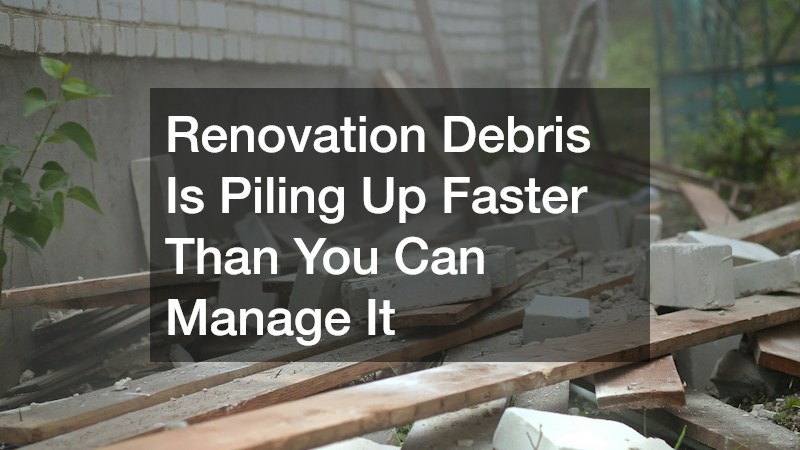
When a property starts needing frequent repairs, additions, or teardowns just to function, the volume of waste generated can become a logistical headache on its own. Many homeowners underestimate how quickly old drywall, flooring, and fixtures accumulate during even a modest upgrade project. Renting construction dumpsters ahead of time, rather than after the mess has already spread across the yard, keeps a renovation project organized and prevents debris from becoming a safety hazard. If you find yourself needing multiple hauls in a single project, that’s often a sign the property’s infrastructure issues run deeper than a simple patch job.
Your Roof Shows Signs of Age and Structural Strain
A roof under stress from age, water pooling, or added equipment weight is one of the most visible signs that a facility is being pushed past its original design. Sagging rooflines, frequent leaks, or ceiling stains that keep reappearing after patching are not cosmetic issues — they indicate the roofing system is struggling to keep up with the building’s current demands. A reputable roofing company can assess whether the issue is isolated or a symptom of a structure that’s simply outgrown its original specifications, especially if you’ve added HVAC units, solar panels, or extra floors over the years.
It’s worth noting that roofing problems rarely stay contained to the roof itself. Water intrusion can travel into insulation, electrical systems, and structural framing long before you notice a stain on the ceiling. Scheduling regular inspections, rather than waiting for a visible leak, gives you a much better chance of catching problems while they’re still minor and affordable to fix.
Perimeter Security and Boundary Needs Have Changed
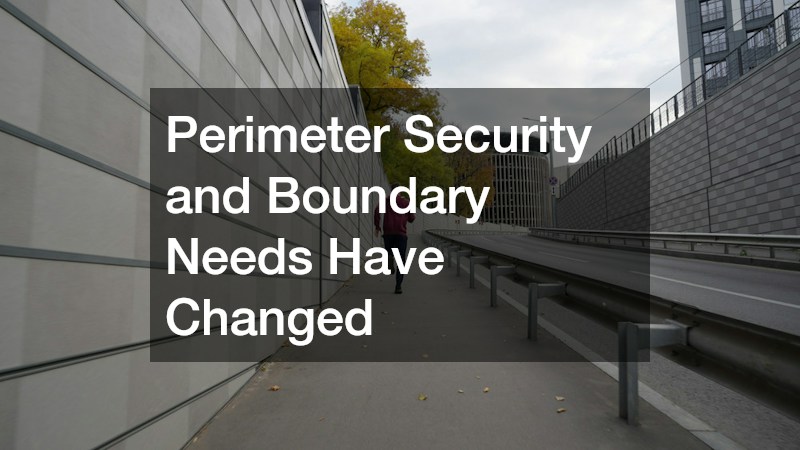
As a property grows busier, whether it’s more foot traffic, more vehicles, or more equipment stored outdoors, the original perimeter setup often stops making sense. A fence company can help evaluate whether your current boundary lines, gate placements, and materials still match how the property is actually being used today. This matters just as much for safety as it does for property lines, especially if you’ve added storage areas, loading zones, or outdoor equipment that needs to be secured.
Outdated fencing can also become a liability issue if it no longer meets current safety codes or fails to keep unauthorized visitors out of hazardous areas. If you’ve expanded operations or added new structures to your lot, it’s worth revisiting whether your boundaries were designed for the property’s original footprint rather than its current one.
Structural Steel and Framing Components Are Reaching Their Limit
Not every infrastructure problem is visible from the outside. Some of the most important warning signs show up in structural components like beams, framing, and decking that quietly bear the building’s load every day. Composite metal decking is a common choice in commercial construction because it combines strength with reduced material weight, but even well-installed decking has a service life that depends on load, moisture exposure, and maintenance history. If your facility has added heavier equipment, extra flooring, or additional stories since original construction, it’s worth having decking and framing reevaluated.
Custom fabrication also plays a role in whether structural repairs are even feasible. Older facilities sometimes rely on components that are no longer manufactured in standard sizes, which means replacement parts have to be custom cut. Facilities relying on grader blade barstock or similarly specialized steel stock for repairs or reinforcement often discover that sourcing the right raw material takes longer than the actual repair work, so planning ahead matters.
Comfort and Climate Control Struggle to Keep Pace

If certain rooms are always too hot, too cold, or oddly humid no matter the season, your climate control system may simply be undersized for the space it now serves. This is common in buildings that have added square footage, more occupants, or more heat-generating equipment — server racks, industrial machinery, additional break rooms — without upgrading the original HVAC design. A system sized for a 20,000-square-foot facility a decade ago often can’t adequately condition the 30,000-square-foot version of that same building today.
Uneven temperatures across zones are another telltale sign. If the front office stays comfortable while the warehouse floor or back offices swing 10-15 degrees warmer, ductwork and equipment capacity likely haven’t kept pace with how the space is actually being used.
Frequent breakdowns are another red flag, and calling for air conditioning repair more than once or twice a season usually means the system is working harder than it was built to handle. Rising utility bills without a clear cause — no rate increase, no unusual weather — often point to the same underlying strain, since overworked units consume significantly more energy to produce the same results. Aging equipment nearing the end of its 15-20 year lifespan compounds the problem, making repairs more frequent and less cost-effective than planning for a system upgrade.
Rising energy bills without a clear explanation are often the first quiet signal that a climate system is under strain. A 10-15% year-over-year increase in utility costs, absent any rate hikes from your provider, is usually a sign that equipment is working harder than it should to maintain the same conditions.
Before assuming the thermostat or a single faulty unit is to blame, it helps to look at the bigger picture: has the building’s usage changed significantly since the system was installed? More employees, added server racks, new manufacturing equipment, or even reconfigured floor plans with fewer open walls can all shift the heating and cooling load well beyond original specifications.
Other symptoms tend to show up alongside the higher bills. Uneven temperatures between rooms, HVAC units cycling on and off more frequently, or persistent humidity issues in certain corners of the building all point to a system straining to distribute conditioned air across a footprint or load it wasn’t designed to handle.
If these patterns sound familiar, the fix may not be a repair at all, but a full reassessment of what the space actually needs. That means recalculating heating and cooling loads based on current square footage, occupancy, and equipment density, rather than simply patching or replacing individual components as they fail.
Water Quality and Plumbing Systems Show Unexpected Strain
An overlooked but important sign of outgrown infrastructure is a change in water quality or pressure, especially in buildings that have added bathrooms, kitchens, or production areas over time. Discoloration, odd smells, or inconsistent pressure can indicate that pipes and treatment systems are being pushed beyond their original capacity. Upgrading to modern water filtration systems is often part of the solution, particularly for properties that have expanded usage without updating the plumbing infrastructure that supports it.
It’s also worth checking whether water issues coincide with new additions to the property, like an extra unit, an expanded kitchen, or added irrigation. When demand increases faster than the supporting infrastructure, water quality is often one of the first things to suffer, even before pressure problems become obvious.
Unexplained Equipment Failures Point to a Bigger Problem
When equipment breaks down repeatedly despite regular maintenance, it’s tempting to blame the machine itself. But recurring failures across multiple systems, electrical, mechanical, or structural, often point to a facility that’s being asked to do more than it was designed for. A professional failure analysis can identify whether a specific part failed due to a manufacturing defect or whether the surrounding infrastructure is placing abnormal stress on it.
This kind of investigation is especially useful before investing in expensive repairs or replacements. Rather than guessing at the root cause, a proper analysis gives you documented evidence of what’s actually happening, which can also be useful if you’re dealing with warranty claims, insurance disputes, or planning a larger renovation.
Outdated Facilities Struggle to Support Business Growth Needs
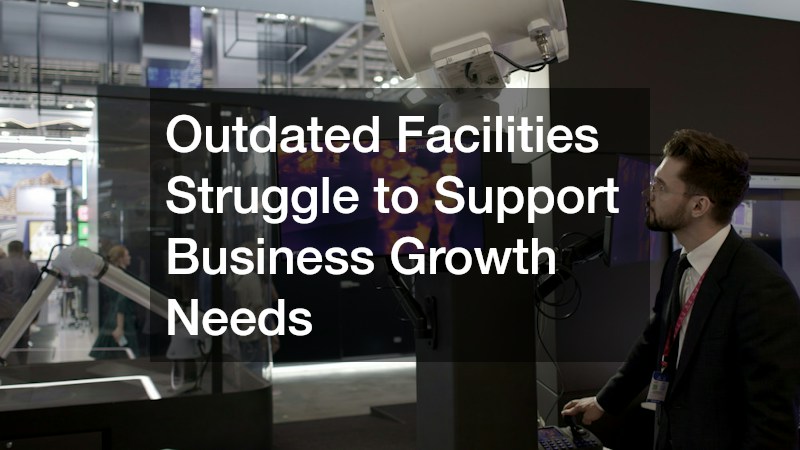
For property owners running a business out of their facility, outgrown infrastructure often shows up in ways that have nothing to do with plumbing or roofing. If you’re hosting events, trade shows, or client visits and your current space no longer reflects how the business has grown, that’s a sign too. Many growing businesses turn to a custom trade show booth company to create a professional, adaptable presence at industry events, especially when their physical facility isn’t ready to host large-scale client meetings on-site.
This might seem unrelated to plumbing or structural concerns, but it reflects the same underlying issue: infrastructure, whether it’s a building or a business presentation setup, needs to grow alongside the organization it supports. If your physical space can’t keep pace with your ambitions, it’s worth addressing both the visible and behind-the-scenes gaps at the same time.
Conclusion
Outgrowing your facility’s infrastructure rarely happens overnight — it shows up gradually, through small inconveniences that eventually become expensive problems. The good news is that most of these warning signs are manageable if you catch them early and involve the right professionals before a minor issue becomes a structural or financial emergency. Start by walking through your property with a critical eye, noting which of these signs feel familiar, and prioritize the ones that affect safety first. Addressing these issues proactively will save you time, money, and stress down the road.