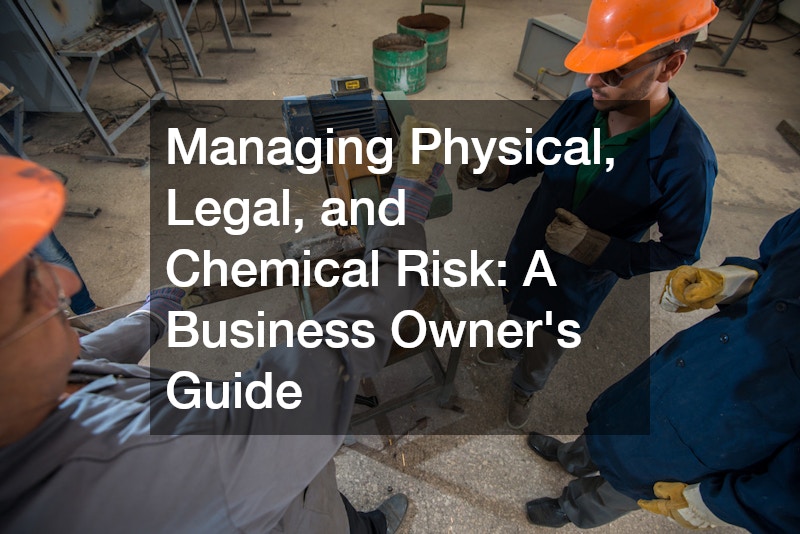
Operating a modern commercial or industrial enterprise requires constant balancing between aggressive growth and meticulous risk mitigation. A single operational oversight—whether a failure in basic site sanitation, an uncertified technician operating heavy machinery, or a minor gap in human resources documentation—can set off a cascading domino effect. This often leads to regulatory penalties, catastrophic lawsuits, or complete financial collapse. To build a truly resilient enterprise, executive leaders must address physical, operational, chemical, and legal vulnerabilities with a unified, cross-departmental risk management strategy.
Establishing Baseline Physical Safety and Site Sanitation
Physical safety forms the mandatory foundation of every operational compliance program. Safeguarding employees, contractors, and visitors requires both macro-level emergency planning and granular attention to everyday sanitation standards.
Sounding the Alarm During Facility Emergencies
When structural fires, severe weather, chemical leaks, or industrial accidents strike, immediate communication saves lives. Facilities must maintain fully functional emergency sirens integrated into comprehensive, site-wide evacuation protocols. Auditory alert systems require regular testing, preventative maintenance, and clear integration with visual strobe warnings to ensure total audibility across high-noise environments, such as active processing floors or outdoor machinery yards. Paired with visible exit signage, well-lit pathways, and designated assembly points, early warning systems drastically reduce human injury during unexpected disasters.
Sanitation Standards on Active Worksites
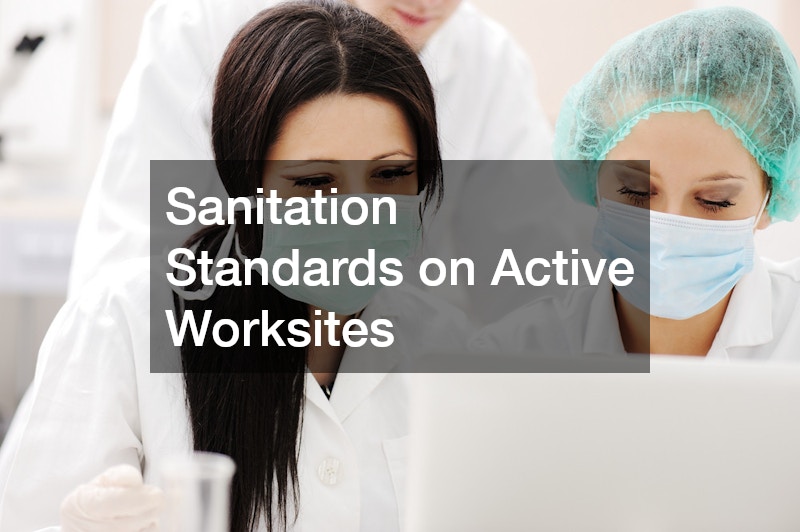
While emergency response systems handle rare catastrophic events, daily health risks often stem from basic hygiene oversights. Portable hand washing station rentals provide field crews, temporary project sites, and rapidly expanding facilities with essential sanitation infrastructure. Proper hand hygiene prevents the spread of transmissible illnesses, protects employees handling toxic materials, and guarantees compliance with federal health and safety mandates. Failing to provide proper washing facilities can lead to rapid disease outbreaks among field staff, immediate work stoppages, and severe financial penalties from regulatory auditors.
Controlling Environmental Vectors
Facility integrity also depends on maintaining an uncompromised indoor and outdoor environment free from biological hazards. Professional pest control companies perform vital preventative maintenance by identifying and eliminating vectors that transmit diseases, contaminate products, or damage electrical infrastructure. Rodents, insects, and other pests can chew through critical control wiring, compromise sterile manufacturing environments, and trigger immediate health code violations. Routine commercial inspections prevent infestations before they cause costly inventory destruction or sudden operational shutdowns.
Regulating High-Risk Operations and Specialized Activities
Beyond general facility oversight, businesses that conduct specialized or high-energy processes face heightened operational risks. Managing these activities requires strict contractor oversight, rigorous technical training, and verifiable competency checks.
Managing External Contractors Safely

Bringing outside trades onto your premises introduces significant legal and physical liability if those entities operate without proper supervision. Enterprise owners must thoroughly vet construction companies before any site work commences. This process requires verifying active licensing, bonding, adequate commercial general liability coverage, and historical safety metrics such as Experience Modification Rates (EMR). Establishing strict site rules for external crews prevents accidents that could injure internal staff, disrupt core production, or expose your organization to costly third-party personal injury claims.
Qualifying Technicians for Advanced Machinery
High-tech equipment—such as industrial beams used in heavy manufacturing, precision cutting, or medical aesthetics—demands specialized technical expertise. Requiring staff to hold valid laser certification guarantees that operators thoroughly understand beam hazards, wavelength protective eyewear requirements, nominal hazard zones, and precision machinery calibration. Enforcing proper educational credentials reduces the likelihood of severe eye injuries, skin burns, or high-value equipment damage caused by operator negligence or miscalibration.
Mitigating Hazards in Chemical and Specialized Manufacturing
Industries involving chemical transformations, food processing, or raw material manufacturing operate under exceptionally strict statutory frameworks. Failing to monitor chemical inputs, outputs, biological side effects, and waste streams can cause widespread environmental damage and health catastrophes.
Quality Control in Raw Material Processing
In specialized processing fields such as lecithin manufacturing, raw materials must undergo continuous quality assurance checks to prevent batch contamination, lipid oxidation, and allergen cross-contact. Because lecithin serves as a vital emulsifier across food, pharmaceutical, and cosmetic supply chains, even minor variances in input purity can degrade an entire product run. Processing facilities face intense oversight regarding food safety standards, purity thresholds, and environmental discharge levels, requiring operators to monitor every stage of production under strict Hazard Analysis Critical Control Point guidelines.
Maintaining systematic, automated controls over raw material inputs and extraction solvents ensures uniform product consistency while shielding the organization from costly nationwide product recalls, supply chain disruptions, and liability claims. Automated sensory arrays and inline chemical testing can detect minute impurities or thermal degradation long before ingredients reach the final packaging phase. Furthermore, closed-loop extraction technology minimizes volatile organic compound emissions, keeping facilities compliant with modern clean air standards while protecting workers from solvent exposure.
Beyond meeting immediate regulatory mandates, rigorous quality management in raw processing protects downstream clients who rely on guaranteed non-GMO or allergen-free certifications. Implementing batch tracking software allows plant managers to instantly trace any quality anomaly back to its precise agricultural origin. This level of traceability simplifies third-party audits and builds deep market trust. Ultimately, embedding multi-layered quality control mechanisms directly into the manufacturing pipeline transforms regulatory compliance from a burden into a competitive advantage. It preserves brand equity, stabilizes operational margins, and shields the parent company from long-term legal and environmental liabilities.
Handling Hazardous Substances Responsibly

Chemical safety requires comprehensive hazard communication and active risk management. Facilities handling volatile compounds, strong acids, or bio-hazardous materials must maintain fully accessible Safety Data Sheets (SDS), stock recommended personal protective equipment (PPE), and establish dedicated spill-containment systems. However, static compliance binder systems on a shelf are no longer sufficient in fast-paced industrial settings. Modern facilities must digitize SDS access through real-time mobile platforms, ensuring that employees, safety officers, and emergency responders can instantly access critical handling protocols and first-aid measures during an acute spill or exposure incident.
Beyond documentation, a robust chemical risk management program depends heavily on engineering controls and localized secondary containment infrastructure. Installing dedicated spill-containment berms, specialized exhaust ventilation, eyewash stations, and automatic shutoff valves prevents localized chemical releases from escalating into catastrophic environmental disasters. Facilities must also institute routine, mandatory safety drills focused on hazardous chemical handling, chemical compatibility storage, and proper PPE donning and doffing techniques. This hands-on training builds a vigilant workplace culture where staff can confidently identify degrading storage containers, improper ventilation, or minor seal leaks before catastrophic failures occur.
Proactively managing chemical risks protects long-term worker health, limits occupational disease exposures, and satisfies both state and federal environmental protection guidelines. Mitigating exposure to airborne toxins, corrosive vapors, and heavy metals drastically reduces long-term corporate exposure to costly worker’s compensation claims and toxic tort litigation. Furthermore, demonstrating strict adherence to hazardous waste disposal protocols shields the enterprise from severe environmental fines, clean-up mandates, and damaging public relations fallout. By treating chemical risk management as an ongoing, technology-driven priority rather than a passive regulatory checkbox, business owners create a resilient operational environment that safeguards human life, protects surrounding ecosystems, and secures the organization’s long-term operational license.
Rapid Recovery from Physical Facilities Failures
Even with rigorous preventive maintenance, physical infrastructure can suffer severe failure due to natural disasters, plumbing bursts, electrical fires, or structural collapse. The speed and thoroughness of a company’s recovery plan directly dictate its financial survival.
Property Restoration and Uptime Preservation
When catastrophic water damage, smoke contamination, or structural collapse occurs, partnering immediately with an experienced damage restoration company minimizes revenue-killing downtime. Rapid remediation prevents secondary destruction, such as systemic toxic mold growth, rusted machinery, or compromised load-bearing walls. Establishing pre-negotiated emergency response contracts with restoration specialists ensures your facility receives top-priority service, allowing you to salvage inventory, restore cleanroom conditions, and resume normal production before severe financial losses compound.
Safeguarding Human Resources and Administrative Compliance
Managing physical machinery and facilities is only half the operational battle; human capital represents another major source of corporate liability. Employment law violations, improper worker classification, mismanaged benefit plans, and unsafe workplace cultures frequently result in administrative fines and class-action lawsuits.
Modern HR Infrastructure and Outsourcing

Navigating rapidly changing employment laws, mandatory leave policies, workers’ compensation claims, and complex payroll tax systems can easily overwhelm internal administrative teams. As statutory frameworks evolve across federal, state, and municipal jurisdictions, maintaining full regulatory compliance demands constant vigilance, dedicated legal tracking, and substantial administrative overhead. For mid-sized and rapidly growing enterprises, an inadvertent misstep in worker classification, overtime calculation, or paid sick leave tracking can trigger severe audit penalties, back-pay assessments, and reputational damage.
Partnering with professional PEO services allows growing businesses to co-manage employment responsibilities alongside specialized legal and HR experts through a co-employment arrangement. This strategic partnership grants smaller organizations access to enterprise-grade HR infrastructure, comprehensive employee benefits packages, and sophisticated risk management tools that would otherwise be cost-prohibitive to build internally. By leveraging the aggregate scale of a co-employment model, businesses can secure better workers’ compensation rates and gain access to dedicated risk-mitigation specialists who proactively audit HR practices.
Professional administrative organizations streamline HR compliance, implement standardized safety training programs, oversee workplace injury reports, and significantly reduce corporate exposure to costly wage-and-hour lawsuits or wrongful termination actions. They establish standardized employee handbooks, ensure clear documentation of disciplinary actions, and implement modern onboarding protocols that align with strict labor laws. Furthermore, these organizations handle complex administrative tasks such as unemployment claims management, health insurance administration, and accurate tax withholdings, freeing internal leadership to focus on core revenue-generating business operations. Ultimately, outsourcing human resource management to a dedicated administrative partner transforms HR from a reactive liability center into a streamlined, compliant, and cost-effective engine for sustainable corporate growth.
Navigating Worst-Case Financial and Legal Outcomes
When preventative controls fail, and severe incidents occur, executive leadership must swiftly pivot from routine operational oversight to high-stakes legal defense, corporate restructuring, and financial preservation.
Managing Severe Liability Claims
In the tragic event that a site accident results in permanent injury or loss of life, executive leaders face immediate and immense legal exposure. Securing early representation from a seasoned wrongful death lawyer becomes essential to navigate complex tort claims, criminal safety investigations, insurance coverage disputes, and settlement negotiations. Comprehensive commercial liability policies paired with defense counsel help organizations navigate catastrophic litigation while maintaining procedural fairness, protecting executives, and managing public exposure.
Financial Restructuring and Business Preservation
Compounding liabilities, massive judgment debts, unexpected market crashes, or sudden supply chain collapses can push an otherwise healthy company toward insolvency. When operational revenues can no longer service debt obligations or cover pending legal judgments, continuing business as usual risks catastrophic liquidation and the total loss of corporate value. In these critical situations, retaining a knowledgeable bankruptcy attorney allows executive leadership to evaluate protection options under federal corporate reorganization statutes, such as Chapter 11. Strategic insolvency counsel helps executives navigate the complex legal landscape, transforming what appears to be terminal financial failure into a structured, court-supervised turnaround process.
Reorganizing corporate debts and unmanageable leases under legal supervision provides the necessary operational breathing room to continue revenue-generating activities, negotiate fair terms with creditors, and preserve the long-term viability of the enterprise. The immediate implementation of the automatic stay halts pending lawsuits, foreclosures, asset seizures, and aggressive collection actions, granting management the space needed to stabilize daily operations. Under court protection, a distressed company can reject burdensome real estate leases, renegotiate unfavorable vendor contracts, and propose restructured debt repayment terms that reflect current cash flow realities.
Furthermore, engaging bankruptcy counsel early allows leadership to explore specialized financing mechanisms, such as Debtor-in-Possession (DIP) financing, which injects fresh capital into operations while under court oversight. This restructuring process protects key executive decisions from individual creditor interference and provides a transparent framework for equity holders, secured lenders, and trade creditors to reach a binding consensus. By taking proactive control of financial distress through legal reorganization rather than delaying the decision, business owners can protect core enterprise assets, safeguard workforce jobs, and position the restructured organization for sustainable profitability once it emerges from court protection.
Developing a Unified Corporate Risk Strategy
True risk management is not a static binder sitting on a shelf—it is an active, evolving corporate culture. A resilient business integrates physical site safety, mandatory workforce certifications, environmental controls, robust administrative systems, and strategic legal counsel into a single operational framework.
Cross-Departmental Auditing and Training
To ensure these systems function effectively, leadership must conduct regular internal audits across every department. Physical facilities teams must regularly inspect safety machinery, human resources must confirm active employee credentials, processing teams must track chemical handling compliance, and executive managers must continually review legal exposure. Continuous workforce training reinforces a proactive culture where every employee actively identifies and reports hazards before they escalate into crisis events.
The Return on Safety Investment
Investing heavily in comprehensive risk management yields tangible, long-term financial returns. Companies that prioritize safety enjoy lower insurance premiums, higher workforce retention, reduced operational downtime, and superior brand trust among customers and investors alike. By continuously reinforcing physical site hygiene, specialized technician standards, chemical control protocols, and comprehensive legal protections, enterprise owners establish an unbreakable shield that safeguards their workforce, protects their brand reputation, and guarantees business continuity for decades to come.