Managing commercial real estate is akin to orchestrating a complex, high-stakes symphony. Every physical, structural, and mechanical component of a building must operate in perfect harmony to keep tenants satisfied, ensure public safety, and keep revenue flowing steadily. Unlike residential property management, where a leaky faucet might be the crisis of the day, commercial property management deals with immense scale, massive liability, and complex regulatory compliance.
The greatest danger a property manager faces is falling into the trap of reactive management. Waiting until a high-pressure pipe bursts, a corporate tenant complains of a life safety hazard, or a main power grid fails to start frantically searching the internet for available contractors is a recipe for devastating financial losses. Reactive management leads to paying exorbitant emergency dispatch fees, accepting subpar workmanship out of sheer desperation, and exposing the property ownership entity to severe legal liability. In the commercial sector, downtime is not just an inconvenience; it translates directly to thousands of dollars in lost commerce and potential lease violations.
Therefore, a robust, pre-vetted, and highly specialized vendor list is a property manager’s most valuable asset. The secret to operational excellence is building relationships with expert contractors long before their services are critically needed. This comprehensive guide provides a step-by-step checklist of the essential vendor partnerships required to run a safe, compliant, and highly profitable commercial property. By establishing these relationships today, you transition your building from a state of vulnerable reactivity to a state of impenetrable, proactive control.
Securing the Building’s Core Infrastructure

The core infrastructure of your commercial property comprises the foundational systems that protect the asset from the elements and power the daily operations of your tenants. If the building envelope fails or the electrical grid collapses, all other interior amenities become instantly irrelevant. Securing these core systems requires partnering with highly specialized professionals who understand the vast complexities of commercial-grade construction and high-voltage power distribution.
Schedule Annual Envelope and Structural Inspections
The roof of a commercial facility is its primary shield against the relentless assault of nature. A failure here does not merely cause an aesthetic water stain; it destroys millions of dollars in sensitive interior equipment, sparks massive mold remediation projects, and forces tenant businesses to shut down entirely. You cannot simply wait for a major thunderstorm to expose vulnerabilities in your membrane or flashing.
-
Mandate diagnostic testing: Book preventative thermal imaging and core testing every single autumn. These non-invasive diagnostic tools allow professionals to identify trapped moisture within the insulation layers and failing seams long before water actually breaches the interior ceiling.
-
Prioritize geographic proximity: Building long-term, contractual relationships with highly responsive local commercial roofers ensures you get priority dispatch during severe, region-wide weather events. When a massive storm hits, out-of-state crews will be booked for months, leaving your exposed property vulnerable to secondary water damage.
-
Establish preventative maintenance routines: Ensure your vendor clears all roof drains, scuppers, and gutters of seasonal debris. Standing water on a flat commercial roof adds thousands of pounds of structural dead load, drastically increasing the risk of a catastrophic collapse during heavy rainfall or snow accumulation.
Audit Heavy-Duty Electrical Panels and Circuits
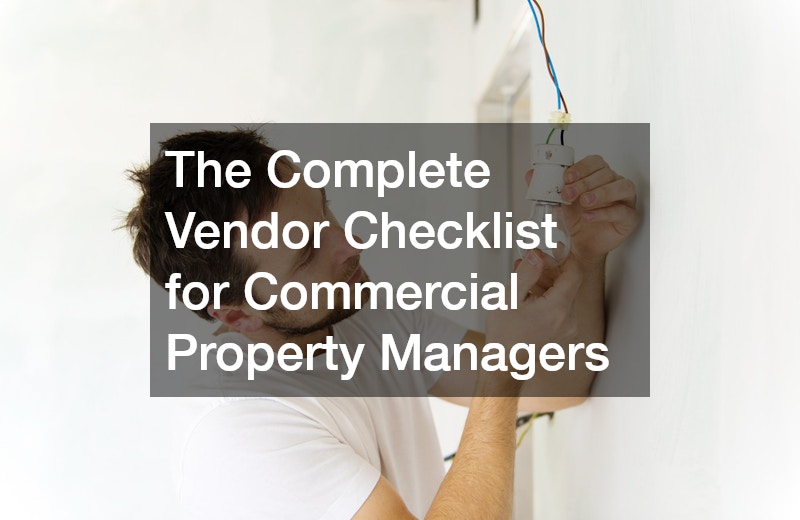
The electrical demands of a modern commercial building are staggering. Between massive server rooms, banks of electric vehicle charging stations, and industrial HVAC equipment, the main electrical service panels are under constant, intense pressure. Over time, vibrations and thermal expansion can cause connections to loosen, leading to dangerous electrical arcing.
-
Require infrared thermography: Mandate annual infrared thermography scans of all main switchgear and high-voltage breaker panels. This technology visually identifies localized heat spikes—often caused by loose wires or overloaded circuits—allowing technicians to tighten or replace components before they trigger a catastrophic building-wide power outage or an electrical fire.
-
Maintain municipal compliance: Contracting licensed commercial electricians for these specialized, high-voltage audits keeps the building strictly compliant with municipal safety codes and satisfies the rigorous requirements frequently demanded by local fire marshals during surprise inspections.
-
Update suite-level circuit mapping: As tenants move in and out, electrical panels often become a confusing mess of unlabeled breakers. Ensure your vendor routinely updates and types out accurate circuit directories, saving critical time during localized power troubleshooting and preventing accidental shutdowns of essential tenant equipment.
Establish Emergency Response Protocols for Core Systems
Even with the best preventative maintenance, mechanical failures can occur. When core infrastructure fails, the speed of the response dictates the severity of the financial loss.
-
Draft rigid service agreements: Draft a written Service Level Agreement with your critical infrastructure vendors that legally binds them to a guaranteed maximum response time.
-
Define acceptable emergency windows: For example, stipulate a two-hour emergency arrival guarantee for complete power failures or active structural water intrusions.
-
Secure your priority status: Paying a modest annual retainer to these vendors guarantees that your facility is bumped to the absolute top of their dispatch list during widespread municipal emergencies, bypassing businesses that are calling them for the very first time.
Managing Exterior Hardscapes and Day-to-Day Operations
While the roof and electrical grid keep the building functional, the exterior hardscapes and the day-to-day operational management keep the property accessible, legally compliant, and visually impressive. The perimeter of your property is where the majority of public interaction occurs, making it a hotspot for premises liability claims. Effective management here requires a blend of heavy civil engineering oversight and meticulous localized administration.
Implement Proactive Asphalt and Concrete Maintenance
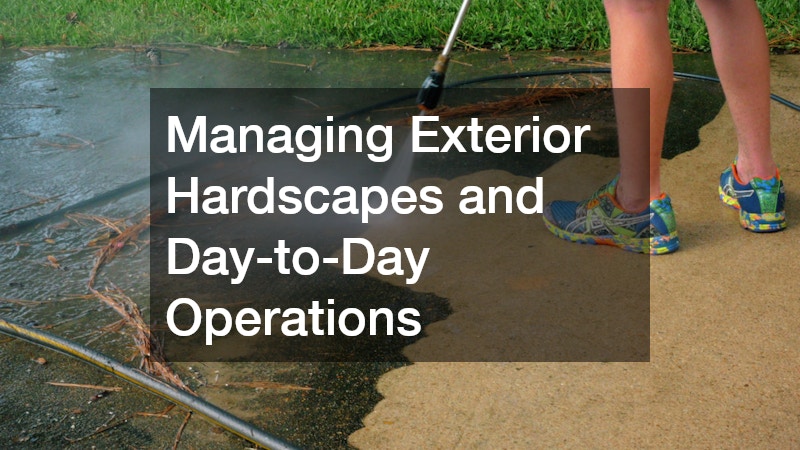
A sprawling commercial parking lot is a massive capital investment that is constantly degrading. Ultraviolet radiation dries out the asphalt binders, heavy delivery trucks crush the sub-base, and freezing water expands inside microscopic cracks, tearing the surface apart. A deteriorating lot with faded fire lanes and massive potholes signals extreme neglect and invites devastating slip-and-fall lawsuits.
-
Conduct quarterly surface audits: Walk the entire parking facility every three months specifically to identify trip hazards, crumbling curbs, and signs of sub-base collapse like “alligator cracking.”
-
Address vulnerabilities immediately: Address minor cracking immediately through aggressive routing and hot rubberized sealing before water intrusion forces a complete, multi-million dollar tear-out of the foundation.
-
Secure preventative maintenance contracts: Suggest negotiating an ongoing, multi-year maintenance package with a reputable commercial paving contractor to handle bi-annual sealcoating, ADA line striping, and heavy-duty pothole patching well before the destructive winter freeze-thaw cycle begins.
Delegate Daily Operational Tasks to Specialized Teams
Managing a commercial property is not a desk job. It requires a constant physical presence to verify that janitorial crews are meeting sanitation standards, landscaping teams are maintaining sightlines, and tenant disputes over shared amenities are swiftly resolved. If you are managing a diverse portfolio spanning multiple cities or states, attempting to micromanage these daily operations remotely is impossible and highly inefficient.
-
Avoid remote micromanagement: Do not attempt to govern daily janitorial discrepancies, parking lot disputes, or minor plumbing issues from a corporate office hundreds of miles away.
-
Leverage regional expertise: Outsource this daily site supervision to regional experts who deeply understand the specific municipal compliance rules, local vendor pricing, and unique environmental challenges of the area.
-
Focus on high-level asset strategy: Detail how partnering with an elite local commercial property management firm effectively offloads the daily tenant friction and localized maintenance tracking. This strategic delegation allows the primary ownership group to focus strictly on overarching asset valuation, lease negotiations, and long-term portfolio expansion.
Ensure ADA Compliance in All Public Access Areas
The Americans with Disabilities Act (ADA) enforces incredibly strict, non-negotiable guidelines for commercial properties. Non-compliance is not merely frowned upon; it makes the property ownership a prime target for aggressive, highly expensive “drive-by” lawsuits initiated by accessibility advocates.
-
Audit physical access points: Regularly audit all exterior ramps, handrail heights, parking stall widths, and curb cutouts to guarantee strict, to-the-inch adherence to federal guidelines.
-
Verify visual and tactile signage: Ensure that all exterior and interior signage includes proper braille translations, contrasting colors, and is mounted at the exact height required by the regulatory codes.
-
Maintain continuous accessible routes: Verify that the designated accessible paths of travel from the parking lot to the building entrances are completely free of sudden drop-offs, deep cracks, or seasonal obstructions like piled snow, aggressively shielding the property from liability.
Mitigating Fire and Plumbing Risks in Food Service Zones
Leasing commercial space to restaurants, cafeterias, or industrial kitchens is highly lucrative, but it introduces massive operational risks to the building. Food service environments generate staggering amounts of grease, extreme heat, and heavy plumbing burdens. If these specific hazards are not aggressively managed through specialized vendors, a single restaurant tenant can easily cause the closure of your entire facility due to municipal sewer blockages or catastrophic structural fires.
Enforce Strict Interceptor Pumping Schedules
Commercial kitchens produce massive volumes of fats, oils, and grease (FOG). If these substances enter the municipal sewer system, they cool, solidify, and create massive blockages known as “fatbergs” that can destroy city infrastructure. To prevent this, kitchens are equipped with heavy-duty interceptor tanks that separate the grease from the wastewater.
-
Control the maintenance schedule: Do not allow food service tenants to manage their own plumbing compliance. If they try to cut costs by skipping pumping appointments, the liability falls on the building owner.
-
Formalize lease addendums: Write strict lease addendums that mandate the property manager will directly schedule the waste removal and inspect the tanks, subsequently billing the cost back to the tenant as common area maintenance (CAM).
-
Prevent catastrophic backups: Point out that hiring dedicated, specialized vendors to routinely pump, scrape, and electronically log commercial grease traps prevents raw sewage from backing up into the restaurant—an event that will force an immediate, highly publicized closure of the facility by the local health department.
Mandate Certified Exhaust System Sanitation
The ventilation hoods above commercial fryers and grills do not just remove smoke; they extract vaporized, highly flammable animal fats and cooking oils. This aerosolized grease travels up the ductwork and coats the interior of the exhaust system. If a flare-up occurs on the cooking line, this grease acts as an accelerant, drawing the fire straight up into the building’s structural rafters.
-
Demand bare-metal scraping: Demand that all tenant kitchens undergo intensive, bare-metal exhaust scraping on a quarterly or even monthly basis, depending strictly on their cooking volume and menu type.
-
Collect photographic documentation: Require the vendor to provide comprehensive, time-stamped photographic evidence of the cleaned ductwork, from the hood canopy all the way to the rooftop exhaust fan, to keep on file for surprise insurance audits.
-
Eliminate combustible hazards: Emphasize that utilizing fully certified commercial hood cleaning services is the absolute only way to effectively eliminate the highly combustible grease buildup that causes devastating, total-loss restaurant fires.
Align Tenant Leases with Health Department Compliance
The relationship between a commercial landlord and a food-service tenant must be bound by strict legal guardrails regarding sanitation and municipal compliance. You must protect the building’s reputation and operational status from a negligent operator.
-
Institute financial penalties for negligence: Stipulate in all food-service leases that any citations, fines, or operational suspensions incurred by the building due to a tenant’s failure to maintain their sanitation equipment will be immediately assessed as additional rent.
-
Require proof of specialized vendor contracts: Before handing over the keys to a newly built-out restaurant suite, require the tenant to submit proof of active, ongoing contracts for pest control, deep cleaning, and fire suppression system inspections.
-
Reserve the right to cure: Ensure your lease includes a “right to cure” clause, allowing you to legally hire vendors to fix sanitation or safety hazards if the tenant refuses to do so, and subsequently charge the tenant for the emergency intervention.
Elevating Interior Amenities and Aesthetic Appeal

Once the foundational structure is secure and the high-risk zones are mitigated, the focus of property management shifts toward tenant retention and asset valuation. The interior environment—specifically the common areas, lobbies, shared restrooms, and tenant suites—dictates the perceived prestige of the property. Maintaining a pristine, highly functional interior is the most effective way to justify premium lease rates and attract top-tier corporate clientele.
Select High-Traffic Surface Materials Wisely
The floors of a commercial building endure unrelenting abuse. Thousands of footsteps, rolling office chairs, delivery carts, and tracked-in winter salt will destroy cheap, residential-grade materials in a matter of months. When renovating common areas or turning over a suite for a new tenant, your material selection directly impacts your long-term maintenance budget.
-
Abandon obsolete flooring solutions: When turning over an office suite, completely abandon traditional broadloom (wall-to-wall) carpet. It holds odors, stains easily, and requires entire rooms to be cleared of furniture to replace.
-
Transition to modular materials: Favor modular luxury vinyl tile or high-density carpet squares. This highly efficient approach allows your maintenance teams to swiftly pop out and replace single, heavily stained or damaged sections rather than tearing up and funding an entirely new floor.
-
Consult with material experts: Advise consulting a specialized commercial flooring company during the architectural build-out phase to ensure the exact materials selected carry the proper slip-resistance ratings, acoustic dampening properties, and heavy-duty wear layers required for intense, continuous foot traffic.
Maintain Hygienic Standards for Tenant-Shared Appliances
In large office parks or multi-tenant buildings, shared amenities like central cafeterias, breakrooms, and fitness centers are major selling points. However, these shared spaces are also primary vectors for workplace illness and bacterial transmission if not meticulously maintained.
-
Treat shared amenities as liabilities: Treat shared breakroom appliances, water fountains, and communal coffee stations as potential liabilities that require strict oversight, not just casual wipe-downs.
-
Establish deep-cleaning protocols: Establish rigorous, scheduled deep-cleaning protocols for all municipal water lines, internal filtration systems, and refrigerator condenser coils to prevent biological growth, foul odors, and premature mechanical breakdowns.
-
Automate sanitation schedules: Note that setting up an automated, recurring preventative maintenance contract for commercial ice machine services eliminates the severe risk of black mold accumulation inside the ice bins, ensuring the water supply remains pristine and keeping aggressive municipal health inspectors completely satisfied.
Coordinate Turnover Renovations to Minimize Vacancy
In commercial real estate, vacancy is the enemy of profitability. Every day a suite sits empty between tenants is a day of lost revenue that can never be recovered. When a lease expires and a tenant vacates, the space must be transformed back to a pristine, market-ready condition with absolute ruthless efficiency.
-
Keep specialized crews on retainer: Keep a dedicated, highly coordinated crew of commercial painters, drywall repair experts, and interior detailing specialists on retainer.
-
Enforce strict turnaround windows: Ensure that the very moment a tenant vacates, your vendor team immediately mobilizes to prep, paint, deep clean, and finalize the suite, turning a chaotic move-out into a flawless, market-ready showcase within a strict 14-day window.
-
Standardize interior finishes: To speed up turnover times, standardize the paint colors, baseboards, and lighting fixtures across all suites in your portfolio. This allows your vendors to keep the necessary materials constantly stocked, entirely eliminating supply chain delays during the critical turnover period.
Guaranteeing Continuity and Protecting the Asset

The final tier of proactive property management involves looking beyond the physical bricks and mortar to secure the overarching continuity of the business. You must anticipate the absolute worst-case scenarios—natural disasters, catastrophic grid failures, and severe liability claims—and put the vendors and safety nets in place to guarantee that the property ownership is shielded from total financial ruin.
Secure Uninterrupted Backup Power for Critical Systems
For commercial facilities housing high-stakes tenants like medical imaging centers, massive corporate data servers, or refrigerated pharmaceutical logistics, a loss of power is a critical emergency. While having a massive standby diesel generator on site is essential, that generator is entirely useless if it runs completely dry during a multi-day regional grid failure.
-
Establish priority supply chains: Do not wait for a hurricane warning to hit the news before trying to order diesel. Establish a priority delivery contract long before the severe weather seasons arrive.
-
Guarantee automatic deployment: Explain that partnering with reliable commercial fuel services guarantees your facility’s massive diesel tanks are automatically monitored and topped off during a declared state of emergency.
-
Protect tenant revenue streams: By securing this vital supply chain, you ensure that your critical life safety systems remain active, your elevators continue to function, and your tenants’ highly sensitive digital operations never go dark, cementing your reputation as a premier, ultra-reliable facility.
Audit Liability Coverage Annually to Close Loopholes
Insurance is the ultimate financial firewall for commercial real estate owners. However, a static insurance policy in a dynamic, inflating economy is a massive vulnerability. Property values, construction costs, and legal settlement averages rise every single year.
-
Reject automatic renewals: Never simply auto-renew your building’s master master policy without a rigorous, line-by-line review.
-
Recalibrate replacement costs: Have a specialized, independent broker review the coverage annually to ensure the stated replacement cost values match the current, hyper-inflated costs of construction materials and specialized labor.
-
Leverage risk engineering: Highlight that utilizing elite commercial insurance services provides far more than just a policy document. It provides access to advanced risk engineering teams who will walk your property, helping property managers identify and physically eliminate trip hazards and fire risks to actively drive down your annual premium costs and secure maximum loss-of-rents coverage.
Create a Comprehensive Disaster Recovery Playbook
When a crisis strikes—whether it is a ruptured water main flooding the lobby at 3:00 AM or a severe winter storm collapsing a section of the roof—panic is the enemy of mitigation. In these chaotic moments, your staff cannot be wasting precious time searching through digital folders or calling unvetted vendors who may not answer the phone.
-
Centralize emergency contacts: Compile a physical, heavy-duty binder, as well as a cloud-based digital document, containing the direct, 24/7 emergency cell phone numbers for all the highly vetted vendors mentioned in this checklist.
-
Define chains of command: Clearly outline the exact chain of command. Detail who has the strict financial authority to approve emergency work orders in the middle of the night to stop active property damage.
-
Distribute the playbook widely: Distribute this comprehensive disaster playbook to all on-site security guards, regional property managers, and key maintenance personnel. This ensures that no matter who is on duty when a crisis occurs, they have the exact instructions and the pre-approved, specialized vendor contacts needed to execute a rapid, highly coordinated response to any emergency.
In conclusion, managing a successful, highly profitable commercial property is not a solo endeavor; it is built entirely on the strength, reliability, and expertise of your vendor network. From the absolute peak of the roof down to the subterranean grease traps, proactive partnerships are the only proven method to prevent minor mechanical hiccups from cascading into major, headline-making disasters.
It is critical to recognize that while premium, highly specialized vendors may cost slightly more upfront than unvetted, generalist contractors, their immense value cannot be overstated. Their impeccable safety records, their deep understanding of complex municipal compliance, and their guaranteed emergency response times ultimately save the property ownership exponential amounts of capital in avoided legal liabilities, massive structural repairs, and preserved asset value.
Do not wait for a system to fail to test your readiness. Take the time this week to review your current contacts and audit your emergency protocols. Identify the missing links in your operational chain, and begin interviewing specialized, highly rated local vendors to complete your master checklist. By securing these vital partnerships today, you guarantee the safety of your tenants, the longevity of your physical asset, and the uninterrupted success of your commercial real estate portfolio.