If you own a home, a rental property, or a small business, you have probably felt the tension between wanting to do more and dreading what it will cost to get there. Growth usually feels like it should mean bigger budgets, more staff, and more equipment sitting around collecting dust. The good news is that scaling operations does not have to mean scaling your overhead in lockstep. With the right decisions about space, equipment, technology, and maintenance, you can handle more work and more responsibility without your costs spiraling out of control. This article walks through practical, real-world ways to grow smarter instead of just bigger.
What Scaling Without Overhead Really Looks Like
Scaling without ballooning overhead is less about cutting corners and more about being deliberate with every dollar you spend. It means asking whether a purchase, a hire, or a renovation actually increases your capacity, or whether it just adds a recurring cost you will be paying for years. Many property owners and small business operators fall into the trap of buying more because it feels like progress, when renting, repairing, or outsourcing would serve the same purpose for far less money. The goal is to match your spending to your actual workload, not to some imagined future version of your operation.
This mindset applies whether you are managing a single rental property, a small commercial building, or a growing service business. The decisions you make early on, about maintenance, equipment, and infrastructure, set the tone for how expensive it becomes to operate as you take on more work. Thinking through these choices now can save thousands of dollars down the road.
Getting More From Your Physical Space
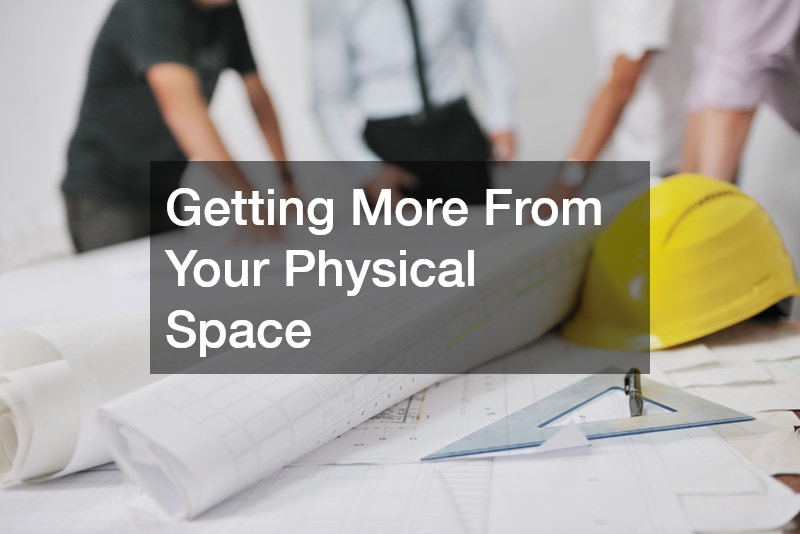
One of the biggest overhead traps is assuming you need a bigger or newer property to handle more activity. In many cases, updating what you already have is far cheaper than moving or expanding. Relocation costs, new leases, permitting delays, and construction timelines can easily run into the tens of thousands of dollars and pull your attention away from actually running the business.
Working with a reputable stain concrete company, for example, can transform worn, cracked, or outdated flooring in a warehouse, garage, or commercial space into a durable surface that looks new and handles heavy traffic without frequent repairs. Stained and sealed concrete resists forklift traffic, chemical spills, and constant foot traffic far better than bare or aging floors, which means fewer patch jobs and less downtime for repairs. Many businesses see this kind of upgrade pay for itself within a year or two simply through reduced maintenance calls and fewer safety incidents caused by cracked or uneven surfaces.
Beyond flooring, it’s worth auditing other underused areas of your existing footprint: mezzanines, storage corners, or awkward layouts that could be reorganized for better flow. Small investments like improved lighting, better shelving systems, or reconfigured loading zones often unlock capacity you didn’t realize you had. This kind of targeted upgrade extends the life of your existing space instead of forcing you into costly new construction.
When larger renovations are necessary, choosing the right partner matters just as much as the work itself. Licensed commercial contractors bring the permits, insurance, and experience needed to complete projects correctly the first time, which avoids the expensive redo work that often comes from hiring underqualified labor. Before signing any contract, verify licensing status with your state board, confirm liability coverage limits, and ask for at least three references from projects of similar scope.
Cost overruns and missed deadlines are usually the result of poor upfront planning rather than bad luck. Get detailed, itemized bids from multiple commercial contractors so you can compare not just the bottom line but what’s actually included—demolition, disposal, code upgrades, and finish work often get buried in vague line items. A clear scope of work and a realistic timeline, agreed upon before any demolition begins, will save you from the change orders that quietly inflate budgets by 15-20%.
A well-planned renovation, done once and done right, is almost always cheaper than a series of quick fixes that need constant attention. Reworking a poorly executed electrical or HVAC job, for instance, can cost two to three times what the original project would have, once you factor in torn-out drywall, lost operating hours, and repeat labor charges. Treating a renovation as a long-term investment rather than a stopgap keeps your overhead predictable instead of compounding over time.
- Assess whether your current space can be reconfigured before assuming you need more square footage — reworking storage layouts or shared workstations can often reclaim 15-20% more usable space
- Consider modular shelving, mezzanine levels, or multi-use rooms that adapt to different functions throughout the day
- Prioritize flooring and structural upgrades that reduce future maintenance calls, such as epoxy coatings for high-traffic areas or upgraded HVAC ductwork
- Factor in the cost-per-year of deferred maintenance versus a one-time upgrade — a $5,000 repair now can prevent $20,000 in emergency fixes later
- Get multiple quotes (at least three) and check licensing, insurance, and references before committing to any major renovation
- Ask about warranty terms, including how long coverage lasts and what specifically is included, so you are protected after the work is completed
- Clarify who handles follow-up repairs if an issue arises within the warranty period to avoid finger-pointing between contractors
Making Equipment Work Harder Not More of It
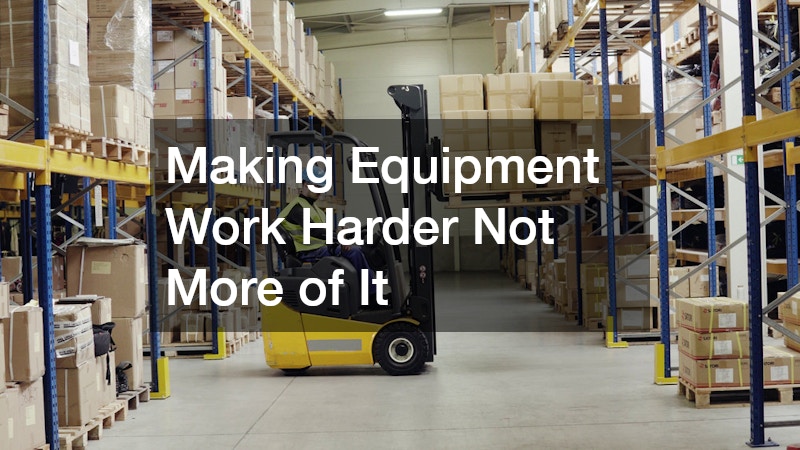
Buying new equipment every time demand increases is one of the fastest ways to inflate overhead. Instead, look at how well you are using and maintaining what you already own. A well-maintained forklift, for instance, can handle years of additional workload if it receives regular servicing, rather than being replaced prematurely because of avoidable wear and tear. The same logic applies to any vehicle or machine central to your daily operations.
Transportation equipment deserves the same attention. If your operation relies on trucks or trailers to move goods, materials, or equipment, a relationship with a dependable truck and trailer repair provider can keep your existing fleet on the road longer instead of forcing early replacement. Preventive repairs are almost always less expensive than emergency breakdowns, which can halt operations entirely and cost you client trust along with money.
- Schedule routine inspections instead of waiting for equipment to fail
- Track maintenance history so small issues do not turn into major repairs
- Compare the cost of repair versus replacement before assuming new is better
- Keep a relationship with a trusted repair provider for faster turnaround times
Keeping the Lights On Without Constant Costs
Downtime caused by power interruptions can be more expensive than most people realize, especially for property owners running refrigeration, security systems, or equipment that cannot sit idle. Reliable commercial generator services provide a safety net that keeps operations running during outages without requiring you to overbuild your primary power infrastructure. Rather than investing in excessive backup capacity you may never fully use, a properly sized generator system covers your actual needs at a fraction of the cost.
Electrical systems also need to be handled by qualified professionals, particularly as your operation grows and demands more from your wiring and panels. A licensed commercial electrician can evaluate whether your current setup can support additional equipment or whether upgrades are needed before problems occur. Catching capacity issues early prevents costly emergency repairs and reduces the risk of fire hazards or code violations that can shut down operations unexpectedly.
- Have your electrical capacity assessed before adding major new equipment
- Size any generator system to your actual peak usage rather than guessing
- Schedule annual inspections to catch wiring issues before they become emergencies
- Keep documentation of electrical upgrades for insurance and resale purposes
Precision Work That Saves Money Long Term
For property owners or small manufacturers who need custom metal, signage, or structural components, precision matters just as much as price. A quality laser cutting service can produce exact specifications on the first attempt, which reduces material waste and eliminates the need for costly rework. This is especially valuable for anyone producing custom parts, brackets, or architectural elements where even small measurement errors can mean scrapped materials and wasted labor.
Choosing precision manufacturing over rougher, cheaper alternatives often pays for itself within a few projects. Materials that are cut cleanly the first time require less finishing work, less waste disposal, and less time spent on corrections. For anyone scaling a business that depends on custom fabricated parts, this upfront investment in accuracy translates directly into lower long-term costs.
Using Technology to Multiply Your Capacity

Technology is one of the few areas where a relatively small investment can produce a large increase in capacity without adding staff or physical space. Hiring a skilled software developer to build or customize scheduling, invoicing, or inventory systems can automate tasks that would otherwise require additional employees. Custom software is not just for large corporations anymore; even a small property management operation or service business can benefit from tools tailored to its specific workflow.
The key is to invest in software that solves a real bottleneck rather than adding complexity for its own sake. Before commissioning custom development, it helps to map out exactly where time is being lost, whether that is in scheduling, communication, or tracking maintenance requests. A well-built tool addressing that specific pain point often costs less over time than continuing to hire additional administrative staff.
- Identify your biggest time-consuming task before investing in new software
- Consider off-the-shelf tools first, then custom development for gaps they cannot fill
- Ask about ongoing support and updates before committing to a developer
- Measure time saved after implementation to confirm the investment paid off
Building a Fleet That Works Smarter

If your operation depends on vehicles, small upgrades can improve both efficiency and professionalism without major cost increases. Fleet wraps are a relatively inexpensive way to turn your existing vehicles into moving advertisements, helping you attract new business without spending on separate marketing campaigns. A full wrap typically costs a few thousand dollars per vehicle, but it puts your logo, contact information, and services in front of thousands of potential customers every day as your trucks or vans travel their routes.
Compared to traditional advertising, the math works heavily in your favor. A single wrapped van parked outside a job site or stuck in traffic generates impressions for years, not just for the duration of a campaign, which makes the cost per impression far lower than billboards or digital ads.
Beyond the branding benefit, wraps also protect the vehicle’s paint and body, which can extend its resale value. The vinyl acts as a barrier against minor scratches, road debris, and sun damage that would otherwise degrade the factory paint underneath. When you eventually rotate an older vehicle out of the fleet, removing the wrap often reveals paint in noticeably better condition than an unwrapped equivalent, which can translate into a higher resale or trade-in price.
For operations where trucks idle for extended periods, whether for deliveries, waiting at job sites, or overnight stays, fuel and maintenance costs can climb quickly. A single truck idling overnight can burn close to a gallon of diesel per hour just to keep the cab comfortable and the batteries charged, and that adds up fast across a fleet of even a dozen vehicles.
Installing an apu system for trucks allows drivers to run climate control and essential electronics without keeping the main engine running, which significantly reduces fuel consumption and engine wear. Many fleet operators report cutting idle-related fuel costs by 80% or more once APUs are in place, since the smaller auxiliary unit uses a fraction of the fuel the main engine would otherwise consume.
Beyond fuel savings, less idling means fewer hours logged on the primary engine, which translates into longer intervals between oil changes, reduced wear on internal components, and fewer unplanned repairs down the road. Drivers also benefit from quieter rest periods and more consistent cabin temperatures, which can support better sleep and, in turn, safer driving.
When evaluating APU options, consider factors like battery-powered versus diesel-fired units, upfront installation costs, and expected payback periods based on your typical idle hours. Over time, this small equipment investment can meaningfully lower fuel bills and extend the lifespan of your primary engines, making it one of the more straightforward ways to trim overhead without sacrificing driver comfort or operational reliability.
- Compare wrap costs (typically $2,500–$5,000 per vehicle) against traditional advertising like billboards or radio spots to calculate cost-per-impression and long-term ROI
- Choose durable wrap materials—cast vinyl for harsh climates, calendared vinyl for milder ones—rated to withstand UV exposure, road salt, and temperature swings for 5+ years
- Calculate potential fuel savings before installing auxiliary power equipment, factoring in idle-reduction units that can cut fuel use by 8-10% on long-haul routes
- Factor in reduced engine wear when weighing upfront upgrade costs, since idle-reduction and aerodynamic add-ons often extend engine life by thousands of hours
- Track maintenance intervals digitally to catch small mechanical issues before they become costly breakdowns or downtime
Planning Maintenance Before It Becomes an Emergency
A large share of unexpected overhead comes from reactive spending, fixing things only after they break instead of catching issues early. Building a simple maintenance calendar for your property, equipment, and vehicles helps you spread costs out predictably instead of facing large, unplanned expenses. This approach also extends the useful life of everything you already own, which directly supports scaling without buying more.
Many owners underestimate how much a proactive approach saves until they compare it against a year of emergency repairs. Setting reminders for seasonal inspections, filter changes, and equipment checkups takes minimal effort but prevents the kind of surprise failures that disrupt operations and require rushed, expensive fixes.
- Create a simple calendar tracking inspection and service dates
- Prioritize maintenance on equipment critical to daily operations
- Set aside a small monthly reserve for predictable upkeep costs
- Review your maintenance plan annually as your operation grows
Setting a Realistic Budget for Growth
Growth without a clear budget often leads to overspending on things that feel urgent but are not actually necessary. Before taking on more clients, tenants, or projects, it helps to map out which costs will scale directly with volume and which are fixed regardless of how much work you take on. This distinction makes it much easier to decide where spending more actually makes sense.
A realistic budget also gives you room to negotiate with vendors and service providers, since you will know your true limits before conversations start. Building in a small buffer for unexpected repairs or upgrades keeps you from being caught off guard when growth brings new demands you had not planned for.
- List which costs increase with volume and which stay fixed
- Build a small contingency fund into every growth plan
- Revisit your budget quarterly as your workload changes
- Avoid locking into long-term contracts before confirming actual demand
Scaling your operations does not have to mean scaling your stress or your expenses at the same pace. By focusing on smarter use of your existing space, equipment, technology, and vehicles, you can take on more work while keeping overhead predictable and manageable. Start by identifying the one or two areas from this list where you are currently overspending or underprepared, and address those first. Small, deliberate improvements now will give you the flexibility to grow confidently without the financial strain that often comes with expansion.